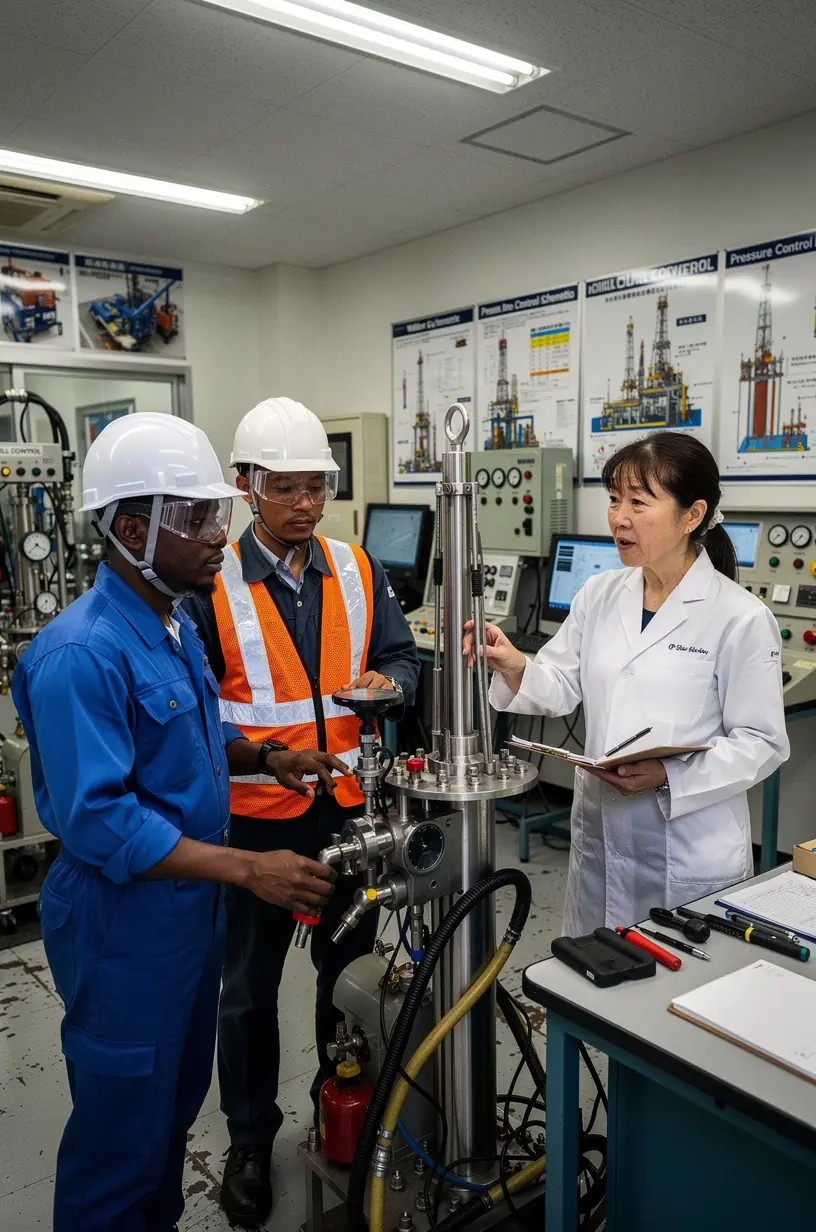
Understanding the Role of Safety Regulations
In the oil industry, safety regulations play a crucial role in protecting the safety of workers. This blog will explain the basics of safety regulations and how they are practically applied.
Understanding the Basics of Safety Regulations
Safety regulations are laws and standards established to maintain a safe working environment. Many studies have shown that adhering to appropriate safety regulations can significantly reduce the risk of workplace accidents. For example, Japan's Industrial Safety and Health Act provides fundamental principles for ensuring workplace safety.

Ignoring safety regulations can have serious consequences not only for workers but also for companies.
Reasons Why Safety Regulations are Necessary
The reason safety regulations are necessary is not only to protect the health and safety of workers but also to maintain the productivity and reputation of companies. Research indicates that strengthening safety measures can improve a company's productivity by 20-30%. This is because a safe working environment enhances work efficiency.
How to Implement Safety Regulations
To implement safety regulations, it is important to focus on the following points:
- Education and Training: When new safety regulations are introduced, employees need to receive training to understand and comply with them. This usually takes several hours to a few days.Education and Training:
- Regular Checks: Regular checks are required to ensure that safety regulations are being properly followed. This allows for the early detection of potential risks.Regular Checks:
- Response Measures in Case of Accidents: It is important to clarify the procedures to follow in the event of an accident. This enables a prompt and effective response.Response Measures in Case of Accidents:
Conclusion
Safety regulations are an essential element in the oil industry. They not only protect the safety of workers but also impact the operational activities of companies. By understanding and implementing safety regulations, it is possible to improve the working environment and enhance productivity. By taking appropriate measures, we can minimize risks and achieve a safe and efficient workplace.
Read More